
Archives
How to Trace Romanian Ancestry Using National Archives
A practical overview of Romania's National Archives network, what records are held at county level, and how researchers access digitized collections remotely.
Romanian Genealogy & Family History
A reference point for researchers, historians, and individuals navigating Romania's civil registries, church records, and national archive collections.
The year Romania's first civil registry system was introduced under Organic Regulation reforms, establishing the baseline for modern genealogical records.
Romania's National Archives maintain 42 county-level branches, each holding local church registers, land surveys, and notarial documents dating back centuries.
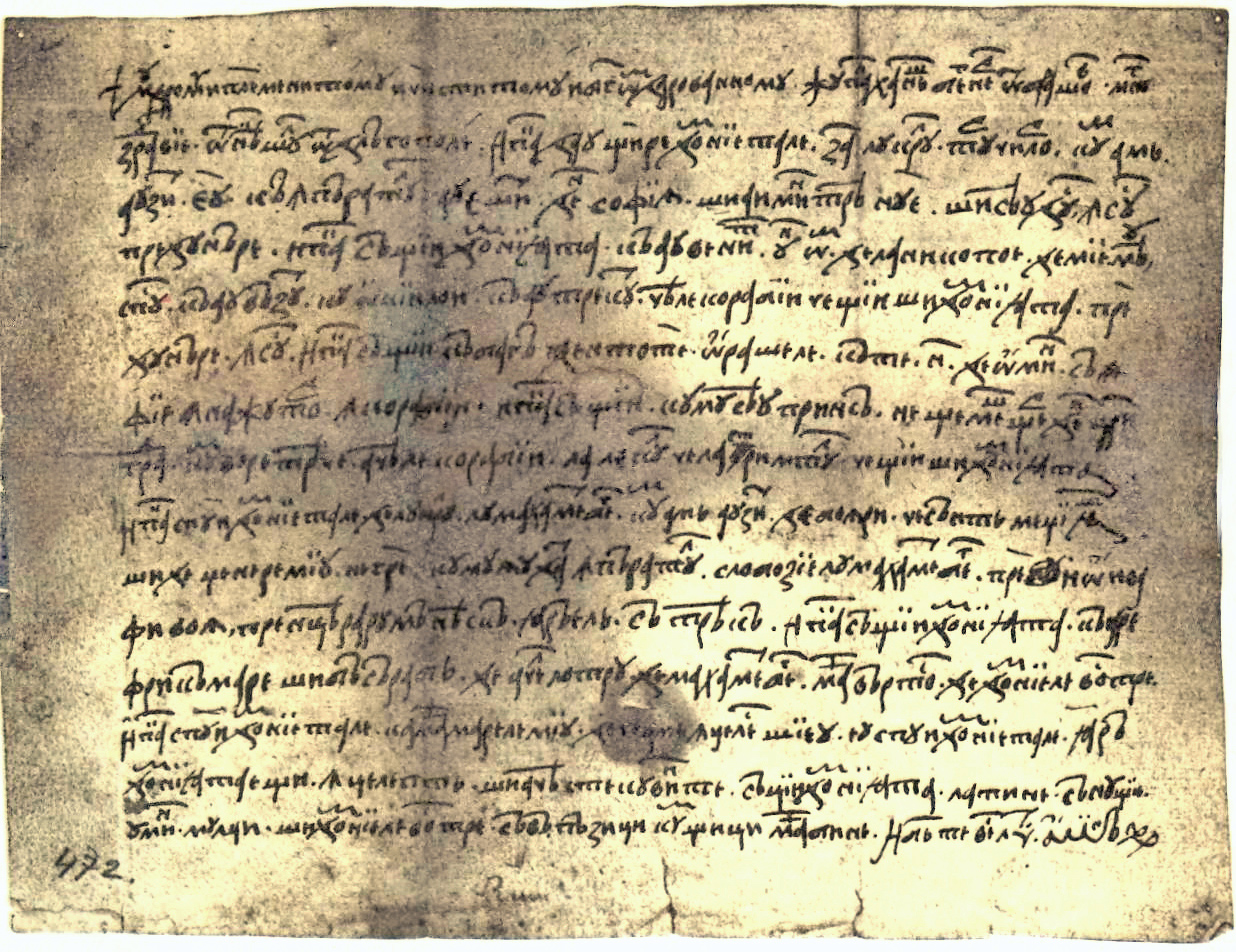
The earliest surviving Romanian-language documents, including Neacșu's Letter of 1521, serve as anchors for noble family lineage research across Wallachia, Moldova, and Transylvania.
Recent Articles
Each article draws from verified archival sources and firsthand accounts of the research process in Romania's public records system.
Archives
A practical overview of Romania's National Archives network, what records are held at county level, and how researchers access digitized collections remotely.
Records
Orthodox, Greek-Catholic, and Lutheran parishes each maintained separate registers from different periods. This guide explains where those records are held today and how to interpret them.

Research Methods
From collecting oral history within the family to cross-referencing civil records and property cadastres, this guide walks through the full research cycle for Romanian lineages.
From the earliest boyar land grants of the 15th century to 20th-century civil registration ledgers, the depth of Romania's public record collections rivals any in Central Europe. Knowing where to look is the first step.
Read the Archives GuideUnderstanding the Records
Orthodox parishes began recording baptisms, marriages, and burials in the 17th century in Wallachia and Moldova. Greek-Catholic registers in Transylvania often survive from the 1730s onward. These are the primary genealogical source for most families.
Romania introduced compulsory civil registration in 1865 following the union of the Danubian Principalities. Birth, marriage, and death certificates from this period are held at county archives and local mayoralty offices.
Ottoman-era tax registers, the Habsburg conscriptions of the 18th century, and the Transylvanian land cadasters provide surname distribution and property data that help locate a family's village of origin.
Historical Context
Romania as a unified state only came into its current form in 1918. Before that, its territory was divided between the Ottoman Empire, the Habsburg Empire, and the autonomous Danubian Principalities. Each administered its own registry system in a different language — Ottoman Turkish, Latin, German, Hungarian, or Romanian — which means a single family's paper trail may span three or four separate archival institutions.
Researchers tracing Transylvanian families often turn to the Hungarian National Archives in Budapest, while those working on Bessarabian lines encounter Soviet-era document transfers. The National Archives of Romania coordinates access across this fragmented landscape through its 42 county branches and the central Bucharest repository.

If you need help navigating Romanian archival institutions, locating specific records, or interpreting historical documents, fill in the form below and we will respond within 48 hours.
Go to Contact FormLeave your contact details and a brief description of your research question. We respond to all inquiries within two business days.