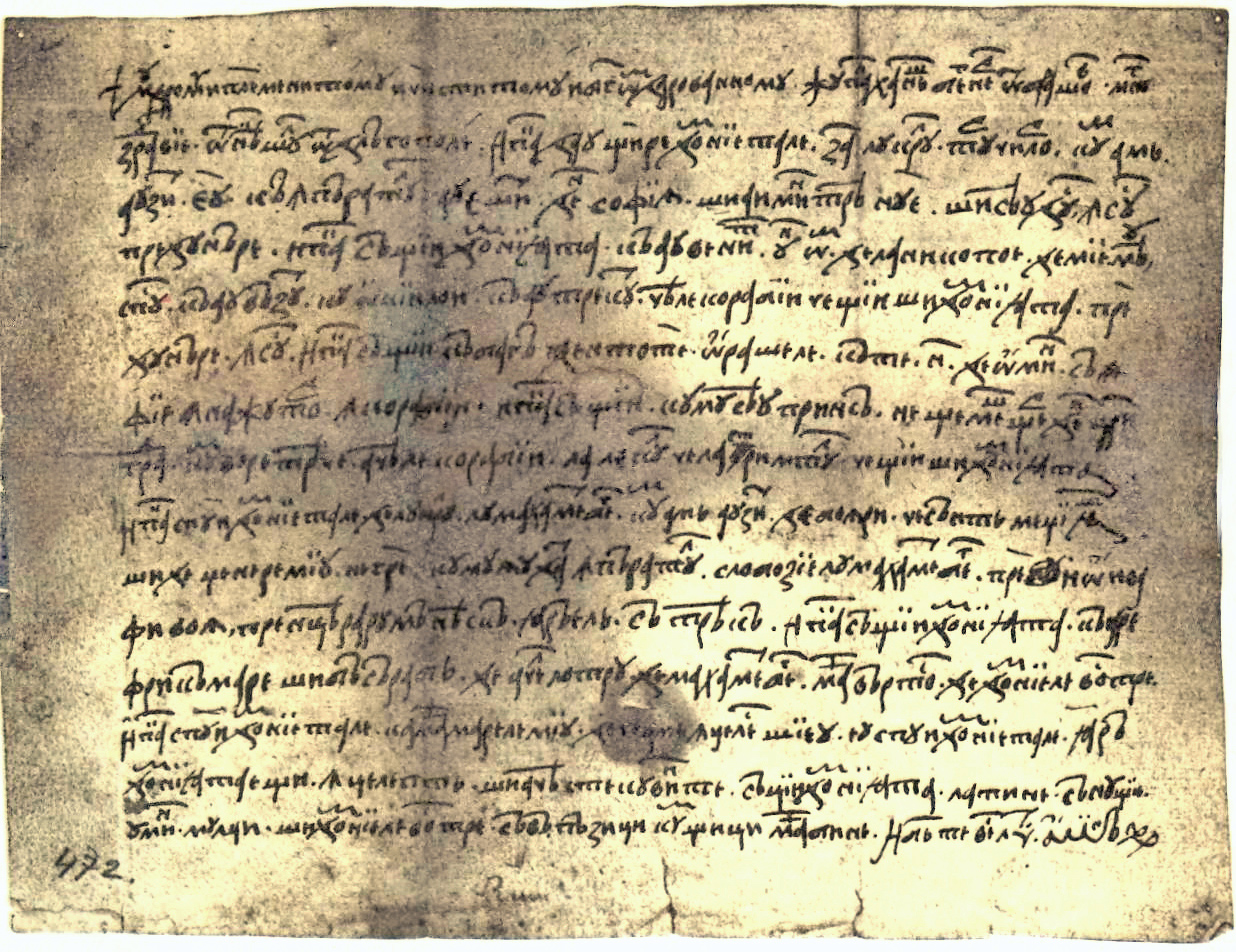
Before Romania introduced compulsory civil registration in 1865, the birth, marriage, and death of every person in the country passed through a church. Those parish registers — known in Romanian as metrice or registre parohiale — are now the primary genealogical source for any Romanian lineage predating the mid-19th century. Understanding which church was responsible for which community, and where those registers are held today, is essential for anyone researching before 1865.
The Denominational Landscape
Romania's religious geography is not uniform. Which church a family attended depended almost entirely on where they lived and what historical jurisdiction controlled that territory:
- Romanian Orthodox Church: The dominant denomination in Wallachia, Moldova, and southern Transylvania. Registers survive from the 17th century in some parishes, though systematic record-keeping became more consistent from the early 19th century onward following Phanariote reforms.
- Romanian Greek-Catholic Church (Unite): Established in Transylvania in 1700 following the Union of Alba Iulia, the Greek-Catholic church retained the Byzantine rite while accepting papal authority. Its register series is often more complete and starts earlier than Orthodox equivalents in the same region — some parishes have continuous records from the 1730s.
- Roman Catholic Church: Served Hungarian, German (Saxon and Swabian), and Polish communities, primarily in Transylvania, Banat, and Bukovina. Latin-language registers date from the 16th century in some parishes.
- Evangelical (Lutheran) and Reformed (Calvinist) Churches: Served Transylvanian Saxons (Evangelical) and Hungarian Reformed communities. Both began register-keeping in the 16th–17th century, making them some of the earliest and best-preserved parish record series in Romania.
- Jewish communities: Registers for Jewish births, marriages, and deaths were kept at the community (kehilla) level and later transferred to civil authority. Coverage varies significantly by region and period.
What a Church Register Contains
The standard format of a Romanian parish register entry evolved over time and varies by denomination, but a typical 19th-century Orthodox baptism entry includes:
- Date of birth and date of baptism (sometimes the same day)
- Given name of the child
- Father's full name, occupation, and village of residence
- Mother's given name (maiden surname is often omitted before the 1860s)
- Godparents' names
- The officiating priest's name
Marriage registers typically record both spouses' names, their villages, their fathers' names, and the names of witnesses. Death registers are often the least detailed — recording name, approximate age, and cause of death in later periods.
Where the Registers Are Held Today
The location of surviving church registers depends heavily on the denomination and the region:
Orthodox registers in Wallachia and Moldova
Older volumes were transferred to county archives (DJAN) during the 20th century, particularly after the 1948 nationalization of church property under the communist government. Many parishes, however, retain their own registers, especially for the post-1864 period. Before visiting or writing to an archive, it is worth contacting the eparchy (diocesan office) to determine whether a given parish's records were transferred.
Greek-Catholic registers in Transylvania
A large portion of Transylvanian Greek-Catholic registers was microfilmed by the Church of Jesus Christ of Latter-day Saints (FamilySearch) in the 1980s–1990s and is freely accessible through the FamilySearch Romania collection. Physical originals are held at county archives or, for some parishes, at the Greek-Catholic eparchial archive in Blaj or Cluj-Napoca.
Lutheran (Evangelical) registers
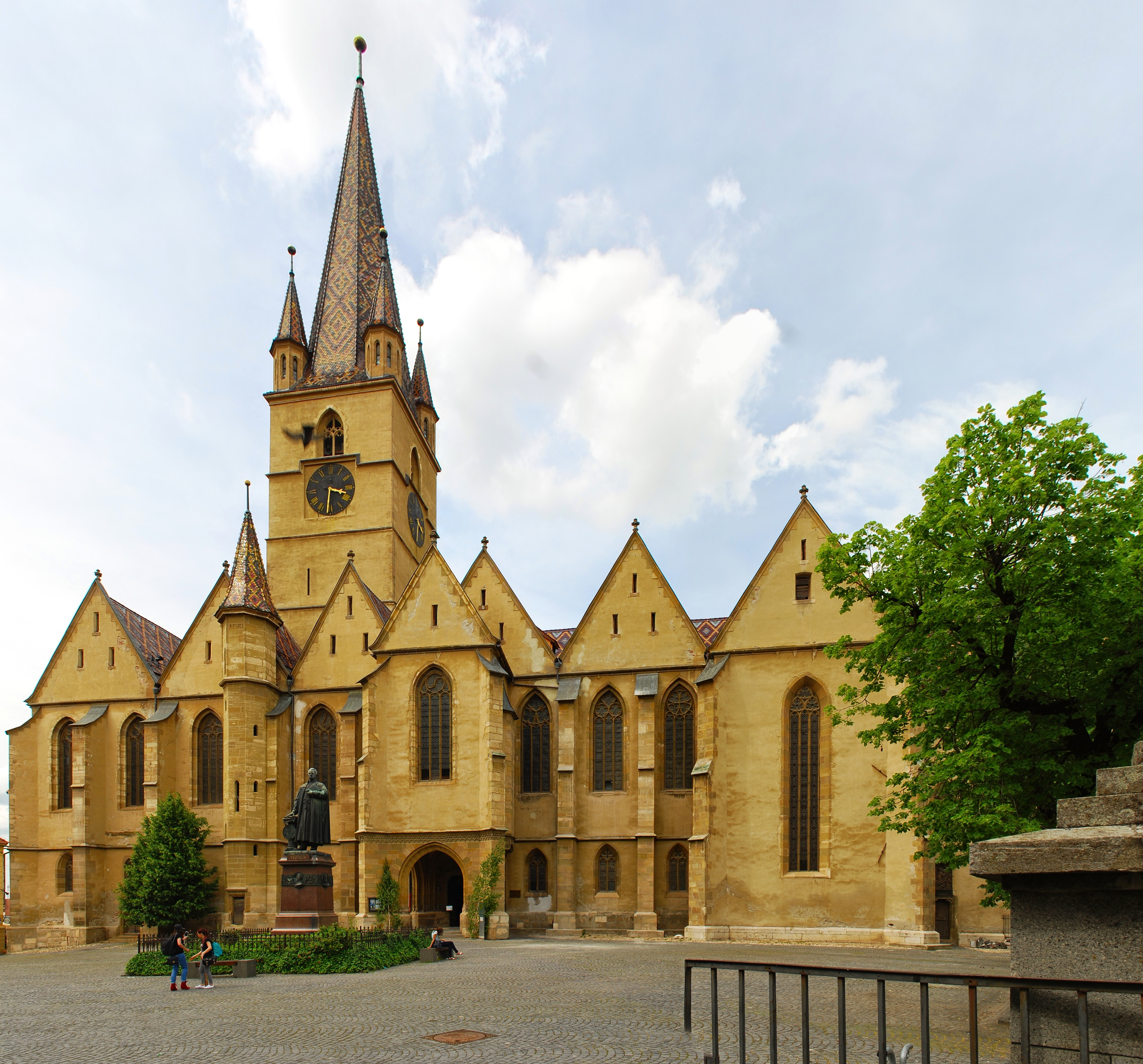
Evangelical registers for Transylvanian Saxon communities are exceptionally well preserved. Many are held at the Evangelical Church of the Augsburg Confession's archive in Sibiu (Hermannstadt). A significant portion has been digitized and indexed. The FamilySearch collection also includes Lutheran registers for some communities.
Reading a Register Entry
Romanian church registers before 1865 were written in a mixture of languages depending on the denomination and region:
- Orthodox registers in Wallachia and Moldova: Old Church Slavonic until the late 18th century, then Romanian in Cyrillic script, then Romanian in Latin script from the mid-19th century.
- Greek-Catholic registers in Transylvania: Latin until the early 19th century, then a mix of Latin, Romanian (Cyrillic script), and eventually Romanian (Latin script).
- Lutheran registers: German with occasional Latin sections.
- Roman Catholic registers: Latin throughout the pre-modern period.
Researchers without reading knowledge of these languages typically rely on Romanian genealogy specialists or volunteer transcribers in communities such as the Family History Romania association. FamilySearch indexed records provide partial transcriptions that can serve as finding aids before consulting the original image.
Gaps in the Record
Several factors have created systematic gaps in Romanian church register survival:
- Wars and occupations: The Russo-Turkish wars of the 18th and 19th centuries caused considerable destruction of parish property in Wallachia and Moldova. World War II damaged or destroyed records in Bessarabia and northern Transylvania.
- Communist-era transfers: The 1948 reorganization of church property led to chaotic transfers of registers between institutions; some were lost or damaged in the process.
- Natural disasters: Floods and fires have destroyed registers in specific parishes throughout the country's history.
When a register series is missing for a particular parish and period, the next step is to check neighboring parishes (which sometimes recorded residents of smaller settlements), diocesan duplicate registers (where these exist), or civil registration records if the gap falls after 1865.